Hardware for the energy sector transition
Energy technology only works if the hardware around it does. We design and engineer storage systems, heating and cooling units and next generation hardware, turning new technology into products that can be manufactured, installed and relied on.
A product development partner built for the energy sector
Most energy businesses we work with have already solved the hard science. What they need is a partner to turn that technology into a product that can be manufactured, installed and relied on. We work with energy storage and generation businesses that have built innovative technology but need a partner to turn it into a manufacturable, reliable product. That means simplifying assembly without compromising performance and designing for the conditions the product will actually face in the field.
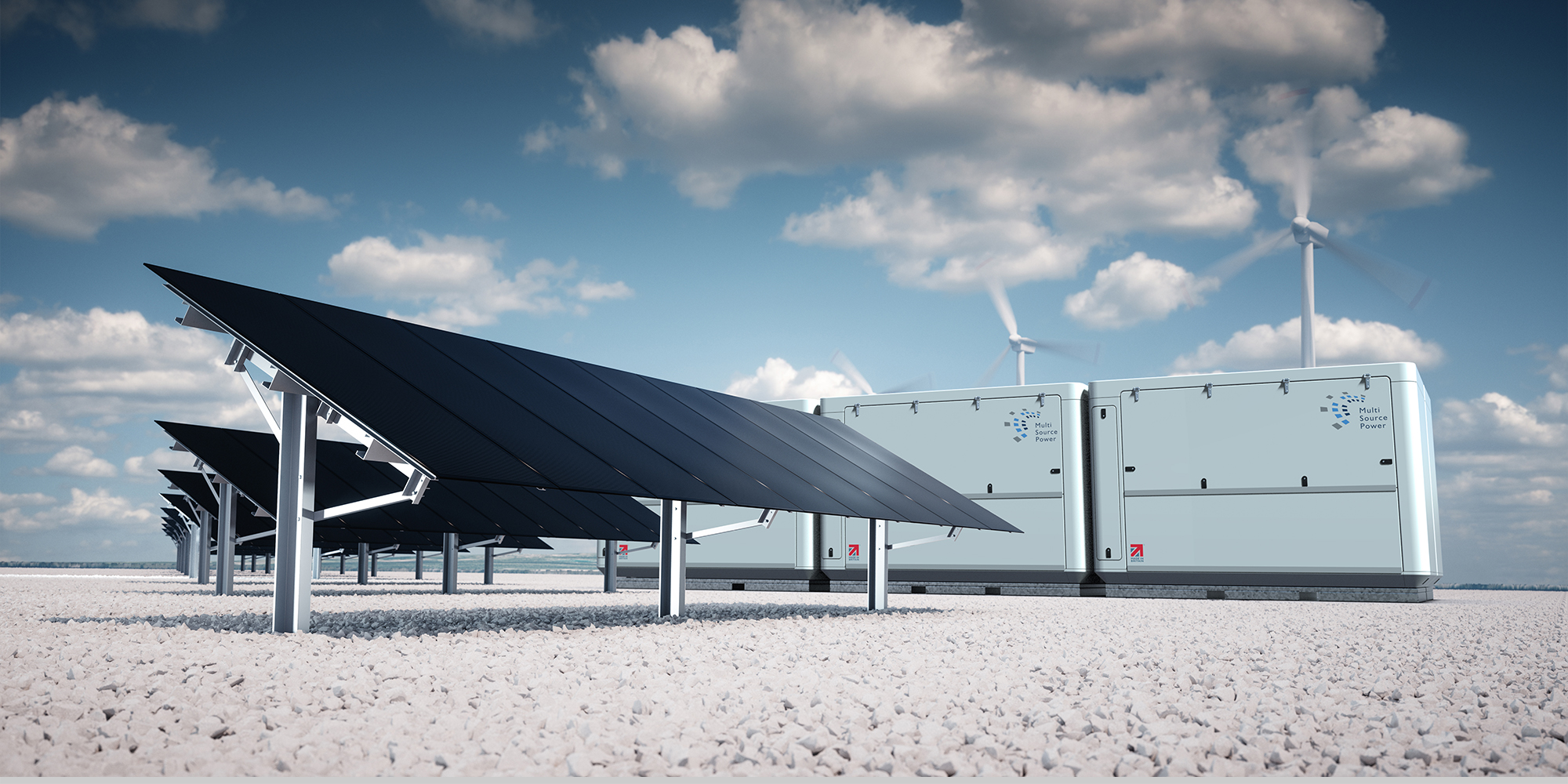
For Multi Source Power, we designed several generations of the Flex-ESS energy storage range, from compact units to large-scale systems. For Vital Energi, we developed vTherm, a heating and cooling interface unit, while the business was moving from assembling products to manufacturing them.



Product design for energy storage
We integrate the mechanical and electronic systems in energy storage products, from first concept to a manufacture-ready range. Materials and construction are chosen for insulation, durability and manufacturing at scale.
Thermal and airflow engineering
We design internal layouts that fit more capacity into a smaller unit while keeping airflow and temperature under control.
Manufacturing & supply chain
We handle supplier sourcing, quality control and production support. That includes helping businesses move from assembling products to manufacturing them, and building UK-based supply chains where resilience matters.
Design for the field
Products engineered for real-world deployment: outdoor environments, industrial sites, and the wear and tear of continuous use, not just lab conditions.
Energy Sector Overview
Product development across the energy sector
The energy sector covers how power is generated, stored, distributed and used. That includes renewables such as solar, onshore and offshore wind and hydropower, along with nuclear, oil and gas, and the grid infrastructure, storage and metering that connect them. As the UK moves towards net zero, the focus is shifting to electrification, local generation and storage. That shift depends as much on hardware as it does on policy.
Energy products range from battery energy storage systems (BESS), heat pumps and heat interface units to EV charging hardware, smart meters, inverter enclosures and monitoring devices. Each one has to perform for years outdoors or on industrial sites, meet strict safety and grid-connection standards, and be built at a cost that makes the business case work. That’s where product design and engineering earn their place.
Green energy solutions
Product design for green energy solutions
Many clean technologies stall because the product around them can’t be built, installed or maintained economically, not because the science fails. We design for the whole life of the product. That means fewer parts, materials chosen for durability and recyclability, enclosures that can be repaired rather than replaced, and layouts that make servicing quicker in the field.
For utilities and energy businesses, the opportunity lies in products that help customers use energy less and more intelligently: storage that shifts demand away from peak times, heating and cooling units that cut losses, and monitoring hardware that turns energy data into decisions. Our work with MultiSource Power and Vital Energi sits in exactly this space.

Concept to launch
From concept to launch: how we develop energy products
Safety, regulatory and installation requirements shape an energy product from the first sketch, not just the final test. We build them in at every stage, so certification confirms the design instead of forcing a redesign.
Discovery and feasibility. We get to know your technology, your market and where the product will be installed, and identify the standards that will apply before any design work begins.
Concept design. We develop system layouts, product architecture and early cost targets, testing ideas quickly before committing to detail.
Engineering. We integrate the mechanical, thermal and electronic systems, designing for manufacture and assembly from the outset.
Prototyping and testing. We build functional prototypes and test them against the thermal, environmental and handling conditions the product will face in service, including pre-compliance checks.
Certification support. We prepare technical documentation and work with test houses on marking and approvals such as UKCA/CE, IP ratings and, for storage products, battery safety standards.
Manufacturing and launch. We handle supplier sourcing, quality control and production support, through to launch and beyond.
Future-proofing energy products: advanced materials and manufacturing
Resilience in the energy sector now depends on products as much as power: hardware that can be sourced, built and serviced reliably as demand grows. Designing for UK-based supply chains, modular product ranges and long service lives helps energy businesses scale without being exposed to a single supplier or a single product generation, as on our Vital Energi vTherm and MultiSource Power Flex-ESS programmes.
Energy FAQ
Do you work with early-stage energy technology, or only established products?
Both. MultiSource Power came to us early, with technology but no product yet designed around it. We’re as comfortable taking a novel concept to market as we are developing the next generation of an existing range.
Can you help us move from assembling products to manufacturing them?
Yes. Vital Energi came to us mid-transition, from assembler to manufacturer, and we helped build the supply chain and manufacturing process that move required.
Do you design for UK-based supply chains?
Where it matters, yes. UK supply chain resilience was a specific requirement on the Vital Energi programme, and it’s something we build in wherever it’s a priority for the client.
How long do energy programmes typically run?
It varies. Some, like the Vital Energi vTherm programme, run as focused nine-month engineering partnerships. Others span multiple product generations as a range develops over time. We scope to what the work actually needs.
What types of energy products do you design?
Energy storage systems, heating and cooling units, enclosures for power electronics, and monitoring and control hardware. If the product is physical and has to survive real-world deployment, we can help design and engineer it.
Can you work alongside our internal engineering team?
Yes. Many clients have strong in-house expertise in their core technology. We fill the gaps, whether that’s industrial design, mechanical engineering, prototyping or manufacturing, and work as an extension of their team.
How do you handle compliance and certification?
We identify the relevant standards at the feasibility stage and design to them throughout, so testing confirms the design rather than uncovering problems late. We then support the certification process through to approval.