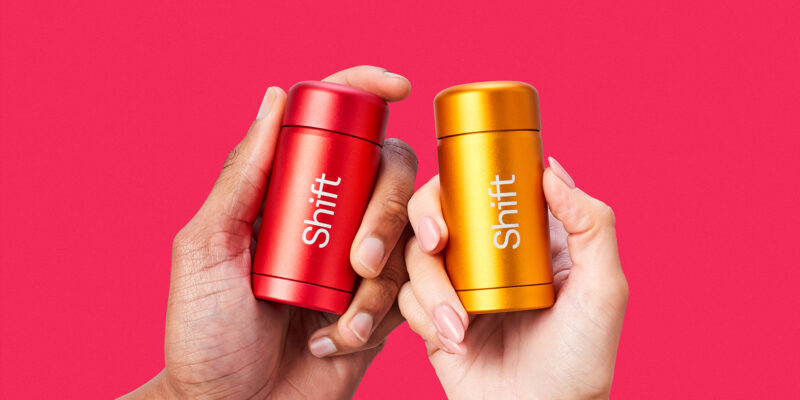
Turning an idea into something people can see, understand and get behind is what visualisation does. npd’s visualisation work runs from early concept sketches through to photorealistic renders and animation, used to validate design decisions, align teams, and communicate a product’s potential before committing to manufacture.
Discovery & Ideation
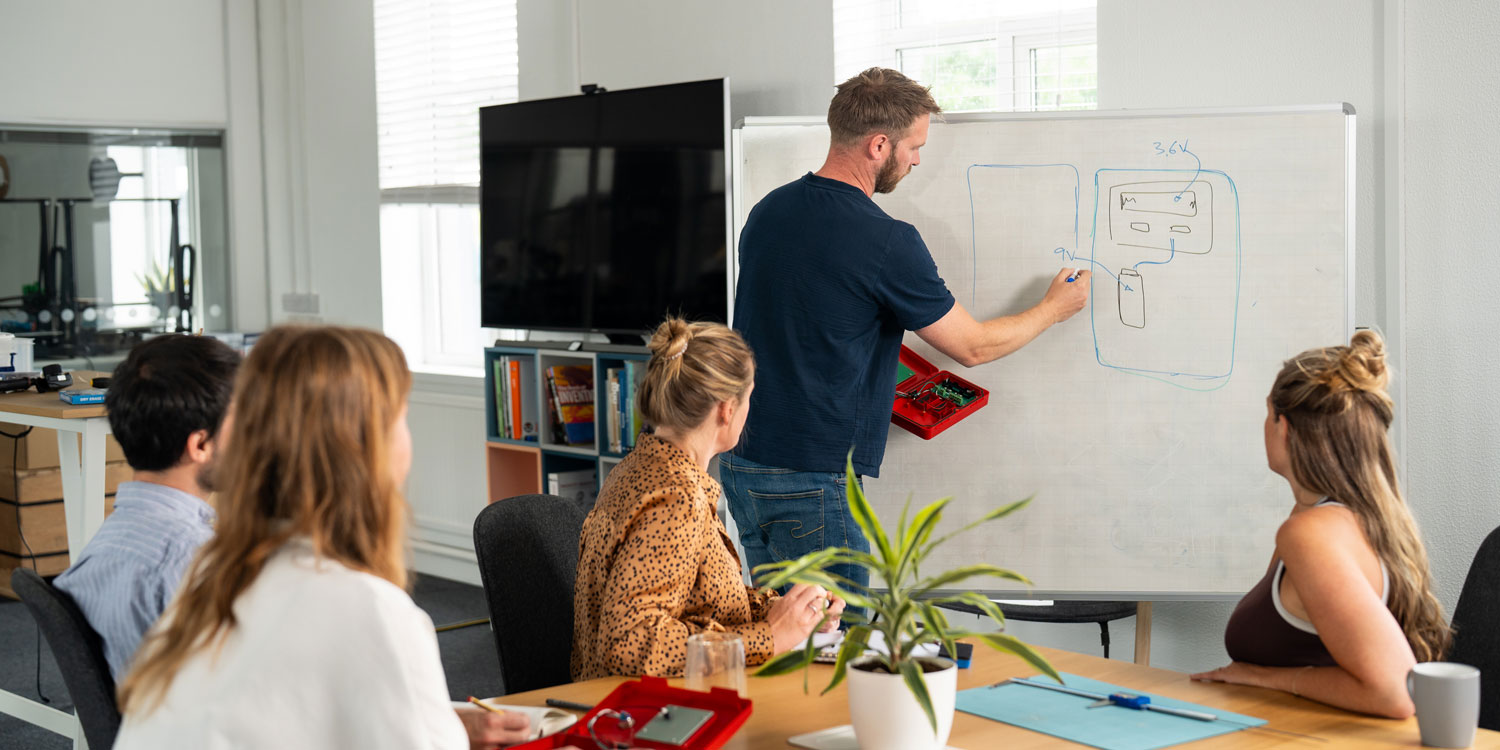
npd explores the opportunity, user needs and market context behind a product to find directions worth pursuing before any visual work begins.

Sketching, Storyboarding & 3D Visualisation
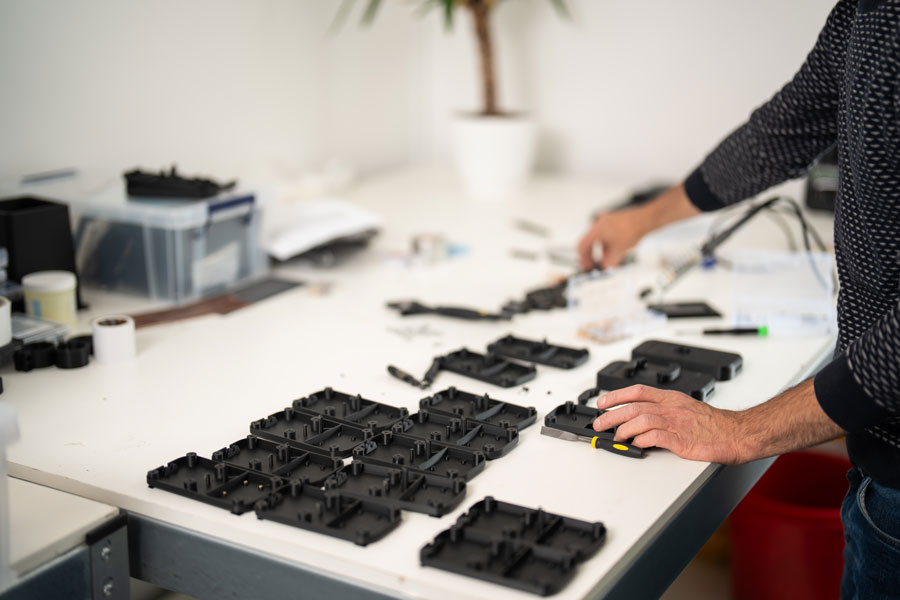
Early concept exploration moves quickly into digital sketching and 3D modelling, exploring form, interaction and user experience at pace.
Product Definition & Feature Mapping
Functionality, structure and core features get defined together, so the product being visualised is both commercially viable and manufacturable.
High-Quality Renders & Motion Design
Photorealistic renders and animation communicate a product’s design intent, usability and appeal, whether that’s for stakeholder buy-in, marketing, or moving into further development.
Areas of Expertise
Photorealistic Rendering
Renders detailed enough to review design, material and finish decisions before manufacture
Product Animation
Bringing mechanisms and interactions to life for teams, investors or end users
Material & Finish Visualisation
Exploring colour, material and finish options without committing to physical samples
Interactive 3D Models
Letting stakeholders explore a product from every angle before it’s built
Marketing Visuals
Producing launch-ready visuals for retail, marketing and investor use
Design Communication
Making an abstract or early-stage concept clear enough for anyone to understand and respond to
Frequently Asked Questions
Product visualisation is the process of representing a product visually, from early concept sketches through to photorealistic renders and animation, before it’s manufactured.
Both. npd uses sketching and 3D visualisation early in concept development, and photorealistic rendering and animation once a design is more resolved.
Yes. Rendering different material and finish options lets a team review decisions before committing to physical samples or manufacture.
Renders and animation are used for design validation, stakeholder communication, pitching to investors or retailers, and marketing at launch.
Yes. Visualisation work at concept stage feeds directly into prototyping and product development, so early decisions carry through