Everyday products, engineered with intent
We design and engineer products that solve a genuine problem, whether that’s a moment of safety, a smaller environmental footprint, or a healthier habit, not just another item competing for shelf space.
A product development partner built for this sector
Good consumer products start with a real problem, not a category gap. Callie began with primary research into how young women actually experience personal safety, research that made it clear the product needed to exist before a single concept was drawn. Shift set out to remove plastic entirely from deodorant packaging without compromising how it feels to use. Zebble took on a subtler problem: designing a device that supports better sleep by deliberately not behaving like the technology it sits beside.
Three different briefs, the same discipline underneath: understand the real problem a product needs to solve, then engineer and manufacture something that actually solves it.





“We worked with the npd team on the project from the very initial idea through to having something that we could actually hold in our hands, and I’m happy to say that I can wholeheartedly recommend them to anyone.”
Callum Coombes, CEO, Safepoint (Callie)
Research-led concept development
Callie’s design started with primary research into the target market, women under 40, gathering direct feedback on personal safety experiences before any concept work began. That research shaped three distinct concept directions, refined down to the final wearable in partnership with the electronics suppliers.
Sustainable materials & mechanisms
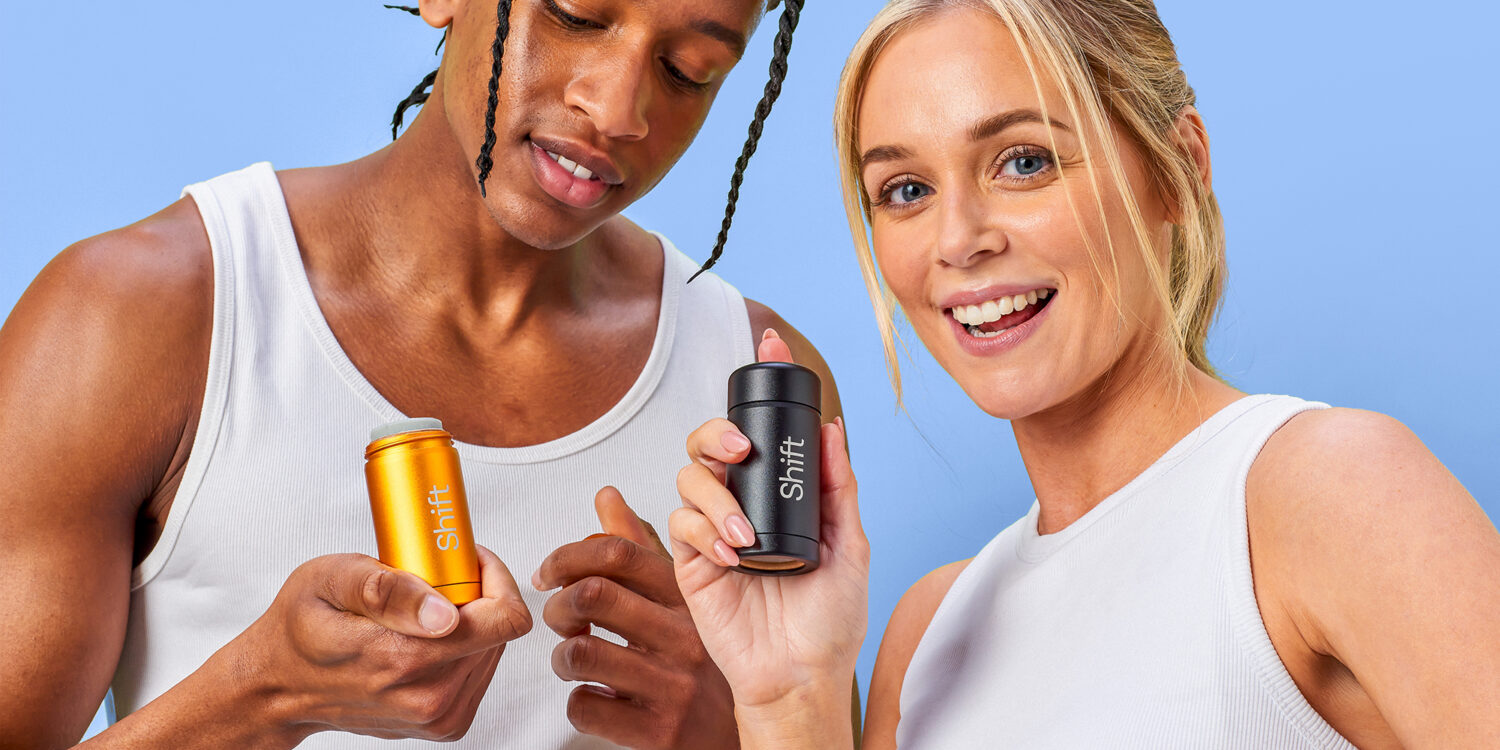
Shift’s ten-month development process tested numerous mechanisms and materials before settling on a mono-material aluminium casing that’s fully recyclable and holds its material value indefinitely, eliminating plastic entirely rather than reducing it.
Miniaturisation & component integration
Callie required advanced safety technology, GPS location, call-back service, silent alarm activation, housed within a footprint small enough to read as jewellery rather than a device. That meant working directly with electronics suppliers to fit the technology into as small a form as possible.
Designed around real behaviour, not just specs
Zebble needed to look and feel like a natural object, not a piece of technology, while still providing essential communication. That meant custom textures, specialised production methods, and miniaturised electronics that intentionally avoided the mental triggers associated with typical devices.
Consumer FAQ
Where the brief calls for it, research comes first. Callie’s design was shaped by primary research with the target market before any concept work began, since understanding real user experience changed what the product needed to do.
Yes. Shift’s brief was to remove plastic from deodorant packaging completely, not minimise it. That took a ten-month process of testing mechanisms and materials before arriving at a mono-material aluminium solution.
Yes. Zebble was deliberately engineered to avoid the interaction patterns associated with screen-based devices, using material choices and form to support that intent rather than working against it.